


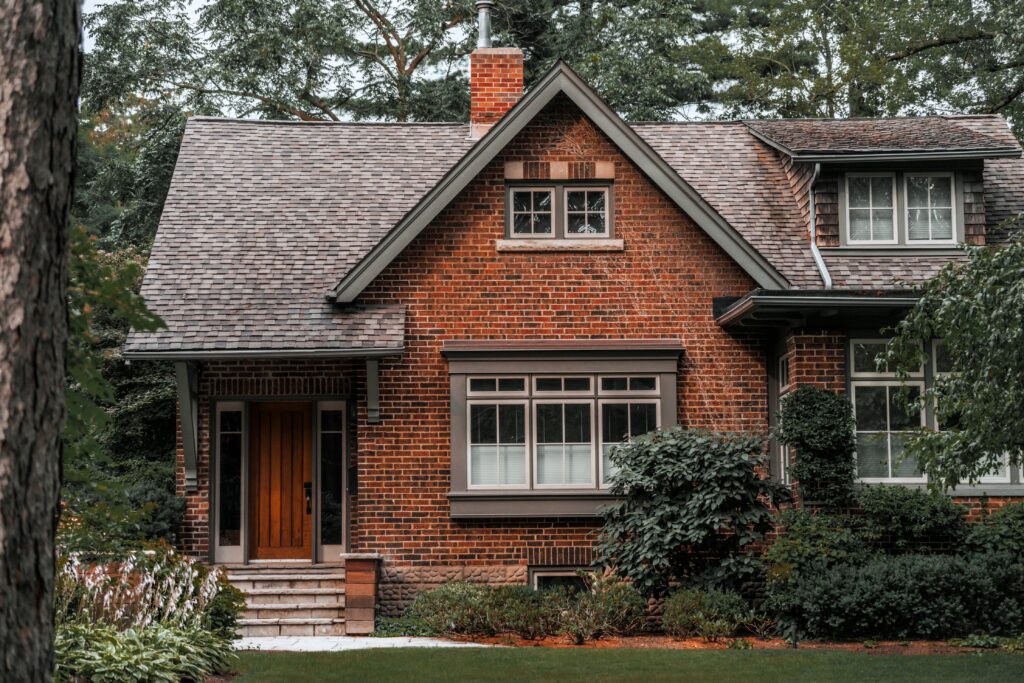
With rising housing costs across Toronto, many homeowners are turning to ADU housing as a practical solution to create additional living space and generate rental income. An Accessory Dwelling Unit (ADU) can be a basement apartment, garden suite, laneway house, or a separate unit within your property.
If you’re wondering what is an accessory dwelling unit or what is ADU in real estate, it simply refers to a secondary residential unit located on the same lot as a primary home. In Toronto, the city now allows multiple additional units on residential properties under updated housing policies designed to increase housing supply.
Below is a step-by-step guide to building a legal ADU in Toronto, including zoning rules, permits, timelines, and construction planning.
Step 1: Understand What an ADU Is and Why Homeowners Build One
An Accessory Dwelling Unit (ADU) is a self-contained residential unit with its own kitchen, bathroom, sleeping area, and entrance.
In ADU real estate, these units are commonly used for:
- Rental income
- Multi-generational living
- Housing adult children or aging parents
- Increasing property value
Common ADU housing types in Toronto include:
| ADU Type | Description |
| Basement Apartment | Converted basement with separate entrance |
| Garden Suite | Detached unit built in backyard |
| Laneway Suite | Unit built facing a public laneway |
| Secondary Unit Addition | Built as an extension to the main home |
Because housing demand is high in Toronto, ADUs have become a smart long-term investment for homeowners.
Step 2: Check Toronto Zoning & Property Eligibility
Before planning your ADU build plans, you must confirm that your property qualifies under zoning bylaws.
In most residential zones in Toronto, homeowners are allowed:
- Up to 3–4 residential units on one property
- Basement apartments inside the main house
- Garden or laneway suites in the backyard (if space allows)
Key zoning factors include:
- Minimum lot size
- Distance from property lines
- Maximum building height
- Parking requirements
- Fire access requirements
For example, properties in older neighborhoods across Toronto are often ideal for garden suites or laneway housing due to larger lot depths.
Consulting a renovation or design professional early helps ensure your accessory dwelling unit plans meet city regulations.
Step 3: Develop ADU Build Plans and Architectural Design
Once zoning is confirmed, the next step is creating professional ADU build plans.
Your accessory dwelling unit plans typically include:
- Floor plans
- Structural drawings
- Plumbing & electrical layout
- Fire safety plans
- Site plan showing property boundaries
Typical ADU sizes in Toronto range from:
| ADU Type | Typical Size |
| Basement Apartment | 500 – 900 sq ft |
| Garden Suite | 600 – 1,000 sq ft |
| Laneway Suite | 700 – 1,200 sq ft |
Smart design strategies include:
- Open floor layouts
- Separate entrances
- Energy-efficient insulation
- Soundproofing between units
A well-designed ADU improves livability, rental appeal, and long-term property value.
Step 4: Apply for Building Permits
In Toronto, building permits are mandatory before construction begins.
Permit applications usually require:
- Architectural drawings
- Structural engineering approval
- HVAC and plumbing plans
- Energy efficiency compliance
- Site plan approval
Permit costs typically range between:
| Permit Type | Estimated Cost |
| Building Permit | $2,000 – $5,000 |
| Development Charges (if applicable) | Varies |
| Inspection Fees | Included in permit |
Approval timelines can vary depending on project complexity.
Typical approval timeline:
- 4 – 8 weeks for simple basement ADUs
- 8 – 12 weeks for garden or laneway suites
Working with experienced contractors helps ensure applications are submitted correctly and approvals move faster.
Step 5: Construction & ADU Development
Once permits are approved, construction can begin.
Typical construction stages include:
- Site preparation or demolition
- Structural framing
- Plumbing and electrical installation
- Insulation and drywall
- Flooring, kitchen, and bathroom installation
- Final city inspections
Estimated construction timelines:
| ADU Type | Construction Timeline |
| Basement Apartment | 2 – 4 months |
| Garden Suite | 4 – 6 months |
| Laneway Suite | 5 – 7 months |
Costs vary based on size, finishes, and structural work required.
Average ADU construction costs in Toronto:
- Basement ADU: $80,000 – $150,000
- Garden Suite: $250,000 – $400,000
- Laneway House: $300,000 – $500,000
Step 6: Final Inspections and Legal Registration
After construction is completed, the city performs final inspections to ensure the ADU meets building codes and fire safety requirements.
Inspections typically cover:
- Fire separation walls
- Smoke detectors and alarms
- Ceiling height requirements
- Plumbing and electrical safety
- Separate entrance compliance
Once approved, your ADU becomes a fully legal secondary housing unit.
This means you can legally:
- Rent the unit to tenants
- Add property value
- Improve housing flexibility
Benefits of Building ADU Housing in Toronto
Many homeowners are investing in ADU housing because it provides both financial and lifestyle benefits.
Key advantages include:
1. Rental Income
An ADU can generate $1,500 – $3,000 per month depending on location and size.
2. Increased Property Value
Homes with legal secondary units often sell for 15% – 30% more than similar properties.
3. Multi-Generational Living
ADUs provide private space for family members while keeping them close.
4. Flexible Housing Options
Units can be used as rental suites, guest homes, or home offices.
Is Building an ADU in Toronto Worth It?
For many homeowners, building an Accessory Dwelling Unit (ADU) is one of the best ways to maximize property value and create long-term income.
With supportive housing policies in Toronto and growing demand for rental units, ADUs are becoming an increasingly popular renovation project.If you’re planning to build an ADU, working with experienced designers and contractors can help ensure your ADU build plans, permits, and construction process follow all city regulations.