


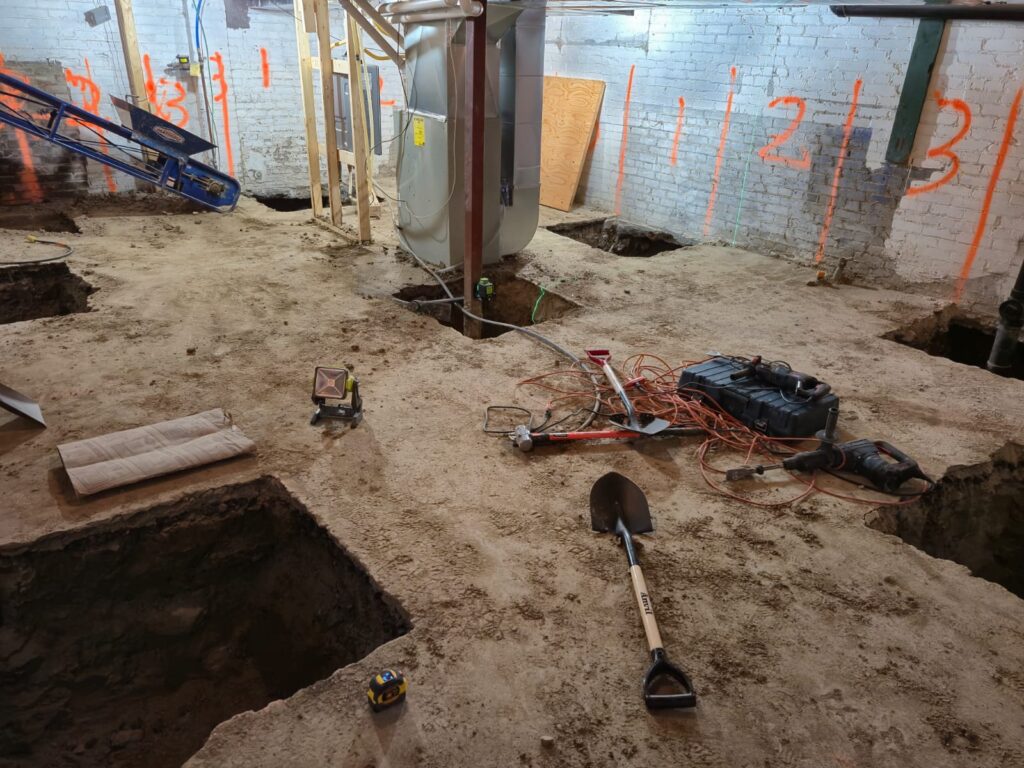
Basement underpinning in Toronto costs between $70 and $150 per square foot in 2026. Most homeowners pay $35,000 to $85,000 to lower their basement by 1–3 feet, depending on soil conditions, engineering requirements, permits, and finishing upgrades.
Basement underpinning is one of the most effective ways to increase ceiling height, strengthen your foundation, and unlock valuable living space in Toronto homes. Whether you’re planning a legal basement apartment, finishing your lower level, or correcting structural concerns, understanding the real cost of underpinning is critical before starting.
In this detailed 2026 cost guide, we break down basement underpinning prices in Toronto, including cost per linear foot, full project estimates, permit fees, engineering requirements, timelines, and real examples. If you’re considering lowering your basement, this guide will help you budget confidently.
What Is Basement Underpinning?
Basement underpinning is a structural construction process that strengthens and extends the depth of an existing foundation. In most Toronto homes — especially older properties — basement ceiling heights are too low to meet modern living standards or legal rental requirements. Underpinning allows contractors to excavate below the existing foundation and pour new, deeper footings to safely increase height.
Homeowners typically choose underpinning to:
- Increase basement ceiling height
- Create legal basement apartments
- Add resale value
- Fix structural or foundation settlement issues
- Improve drainage and waterproofing
Underpinning must be engineered, permitted, and completed in stages to maintain structural stability throughout the process.
Average Basement Underpinning Cost in Ontario
Basement underpinning costs in Ontario typically range from $70 to $150 per square foot, depending on soil conditions, engineering requirements, and permit fees. In high-demand areas like Toronto, Mississauga, Markham, Etobicoke, Richmond Hill, Aurora, Newmarket, and Pickering, pricing may fall toward the higher end due to stricter municipal regulations, older home foundations, and inspection requirements. Homeowners across the GTA should expect total project costs between $35,000 and $85,000 for a standard 1,000 sq ft basement lowering project.
Basement Underpinning Cost by City (2026 Estimates)
| City | Average Cost Per Sq Ft | Typical Total Cost (1,000 sq ft) |
|---|---|---|
| Toronto | $80 – $150 | $40,000 – $85,000 |
| Mississauga | $75 – $140 | $38,000 – $80,000 |
| Markham | $75 – $140 | $38,000 – $78,000 |
| Etobicoke | $80 – $150 | $40,000 – $85,000 |
| Richmond Hill | $70 – $135 | $35,000 – $75,000 |
| Aurora | $70 – $130 | $35,000 – $70,000 |
| Newmarket | $70 – $130 | $35,000 – $70,000 |
| Pickering | $65 – $125 | $32,000 – $68,000 |
Average Basement Underpinning Cost in Toronto (2026)
Basement underpinning costs vary based on size, depth, soil conditions, and structural complexity. Below is a realistic pricing overview for Toronto homeowners.
Quick Cost Summary
| Category | Typical Toronto Cost |
|---|---|
| Cost per linear foot | $350 – $650+ |
| Small underpinning project | $25,000 – $40,000 |
| Full basement underpinning | $50,000 – $120,000+ |
| Engineering & permits | $3,000 – $10,000 |
| Waterproofing & drainage | $4,000 – $18,000 |
| Underpinning + full basement finish | $70,000 – $150,000+ |
Most full underpinning projects in Toronto fall between $60,000 and $100,000, depending on the home’s footprint and structural requirements.
Cost Per Linear Foot Explained
Many contractors price underpinning per linear foot because the process involves excavating and reinforcing foundation sections one segment at a time.
Typical Price Range:
$350 to $650 per linear foot
For example:
- 100 linear feet × $450 = $45,000
- 140 linear feet × $500 = $70,000
The larger the perimeter, the higher the cost. However, complexity often impacts pricing more than size alone.
What Impacts Basement Underpinning Cost in Toronto?
Several factors influence the final price.
1. Basement Size & Footprint
Larger basements require more excavation, reinforcement, concrete, and labor. A 600 sq ft basement will cost significantly less than a 1,200 sq ft one.
2. Depth of Lowering
Lowering your basement by 12 inches costs less than lowering it by 24–36 inches. Deeper excavation increases structural reinforcement needs.
3. Soil & Water Conditions
Toronto has varying soil types and water tables. Clay-heavy or water-prone areas increase excavation complexity and waterproofing requirements.
4. Engineering & Structural Design
Underpinning requires:
- Structural engineer reports
- Load calculations
- Stamped drawings
- City permits
Engineering fees typically range between $2,500 and $7,000.
5. Waterproofing & Drainage Upgrades
Most underpinning projects include:
- Interior waterproof membrane
- Weeping tile systems
- Sump pump installation
- Backwater valve upgrades
These systems add $4,000–$18,000 depending on scope.
6. Utility Relocation
Plumbing stacks, HVAC ducts, and electrical panels may require adjustment after lowering.
7. Access to Site
Limited exterior access or row houses increase labor intensity and material handling costs.
Why Basement Underpinning Costs More in Toronto
Basement lowering in Toronto typically costs more than other Canadian cities due to strict building codes, engineering requirements, older home foundations, and high permit fees.
Adding:
- “Toronto”
- “GTA”
- “Ontario building code”
naturally throughout increases local authority.
What Is Included in Basement Underpinning Costs?
Homeowners often underestimate what goes into underpinning. A professional project includes:
- Structural engineer inspection
- Detailed drawings and permit submissions
- Excavation and soil removal
- Temporary shoring and foundation support
- Concrete pouring in stages
- Steel reinforcement
- Waterproof membrane installation
- Drainage system setup
- Inspection approvals
- Site cleanup
This is not simply “digging and pouring concrete.” It is a highly technical structural process.
Basement Underpinning vs Basement Lowering
Many homeowners use these terms interchangeably, but there are differences.
Underpinning extends the existing foundation deeper.
Bench footing (lowering) creates a ledge or “bench” around the perimeter instead of fully extending footings.
Bench Footing Cost:
Typically 10–20% less than full underpinning but reduces usable floor space.
Underpinning is generally preferred when:
- You want maximum ceiling height
- You plan a legal rental unit
- You want long-term structural reinforcement
Underpinning vs Bench Footing Cost in Toronto
| Method | Cost Per Sq Ft | Ceiling Height Gain | Best For |
|---|---|---|---|
| Underpinning | $70 – $150 | 1–3 feet | Full-height finished basements |
| Bench Footing | $50 – $100 | 1–2 feet | Budget-conscious projects |
Underpinning Additional Costs to Consider
Underpinning is often the first phase before finishing the basement.
| Upgrade | Average Toronto Cost |
|---|---|
| Egress window installation | $1,500 – $5,000 |
| Basement finishing | $30 – $90 per sq ft |
| Bathroom installation | $12,000 – $25,000 |
| Soundproofing | $2,000 – $6,000 |
| Legal basement conversion | $80,000+ total project |
Many homeowners choose to complete underpinning and full basement renovation together to reduce duplication of labor.
Do You Need a Permit for Basement Underpinning in Toronto?
Yes. Basement underpinning always requires a building permit in Toronto.
You must submit:
- Structural engineering drawings
- Load-bearing calculations
- Detailed underpinning plan
- Inspection schedule
Skipping permits can result in:
- Stop-work orders
- Fines
- Insurance issues
- Resale complications
Working with a licensed, insured renovation company ensures code compliance.
How Long Does Basement Underpinning Take?
Project timelines depend on size and complexity.
Typical Timeline:
- Engineering & permits: 3–6 weeks
- Excavation & structural underpinning: 4–8 weeks
- Waterproofing & inspections: 1–2 weeks
Total average timeline: 6–12 weeks
Finishing the basement afterward adds another 4–8 weeks.
Can You Live in the House During Underpinning?
In many cases, yes — but it depends on:
- Extent of excavation
- Dust and noise tolerance
- Access to basement utilities
- Structural phase schedule
Some homeowners temporarily relocate during heavy excavation phases.
Does Basement Underpinning Increase Home Value?
In Toronto’s competitive real estate market, underpinning can significantly increase property value.
Benefits include:
- Increased square footage
- Legal rental income potential
- Higher resale appeal
- Modernized foundation systems
In high-demand neighborhoods, finished basements can increase property value by 10–25%, depending on configuration.
Real Cost Scenarios in Toronto
Scenario 1: Small 700 sq ft Basement, 12-Inch Lowering
- Perimeter: 95 linear feet
- Cost: $38,000
- Waterproofing included
- No major utility relocation
Scenario 2: 1,000 sq ft Full Underpinning, 24-Inch Lowering
- Perimeter: 130 linear feet
- Cost: $72,000
- Engineering, permits, sump pump included
Scenario 3: Underpinning + Legal Basement Apartment
- Underpinning: $80,000
- Full renovation: $65,000
- Total: ~$145,000
Is Basement Underpinning Worth It?
If your goal is to:
- Create livable height
- Add rental income
- Increase resale value
- Strengthen aging foundations
Then underpinning is often a long-term investment rather than an expense.
However, it must be done correctly. Poor workmanship can cause structural damage and long-term issues.
Get a Basement Underpinning Cost Estimate in Toronto
Every home is different. The only accurate way to determine underpinning cost is through a structural assessment and site visit.
At Homi Reno, we provide:
- Licensed, insured workmanship
- Engineer-supported structural plans
- Full permit handling
- Transparent cost breakdowns
- Integrated basement renovation services
If you’re considering basement underpinning in Toronto, contact our team for a detailed, no-obligation consultation and personalized cost estimate.
Final Thoughts
Basement underpinning in Toronto typically costs between $50,000 and $120,000+, depending on size, depth, and complexity. While it’s a major structural project, it can dramatically increase livable space, home value, and long-term stability.
When done professionally, underpinning transforms underused basements into functional, comfortable living areas that add measurable equity to your home.